
Nucleus colonies Melbourne
Nucleus colonies Melbourne from Melbourne Beehives are a real colony, not a box of loose bees. Each colony arrives on eight Langstroth frames with a young mated queen, brood, drawn comb, stored food and worker bees.
Short answer: A nucleus colony — usually called a “nuc” — is a small, working colony on eight Langstroth frames. It already has a laying queen, brood in all stages, drawn comb, honey and pollen, and worker bees. Melbourne Beehives supplies these colonies for Melbourne backyards, with pickup or delivery and practical help getting them installed.
Need the hive box too? We also sell 8-frame Langstroth hive boxes for $300. See the hive box.
The basics
What nucleus colonies Melbourne buyers should expect
A nucleus colony is not a swarm in a box, and it is not a package of loose bees. It is a miniature colony that is already functioning as a unit.
The queen is mated and laying. The frames contain eggs, larvae and capped brood. The workers have drawn comb, stored food and a nest to defend. When you transfer the frames into your brood box, you are moving a working colony rather than asking the bees to start from nothing.
That is the practical difference for a new beekeeper. The colony has already passed the fragile early stage where a queen must be accepted and every frame of foundation must be drawn.
- Eight Langstroth frames, ready to transfer
- A young mated queen, already laying
- Brood in all stages
- Drawn comb and beeswax foundation
- Honey and pollen stores
- Worker bees of different ages
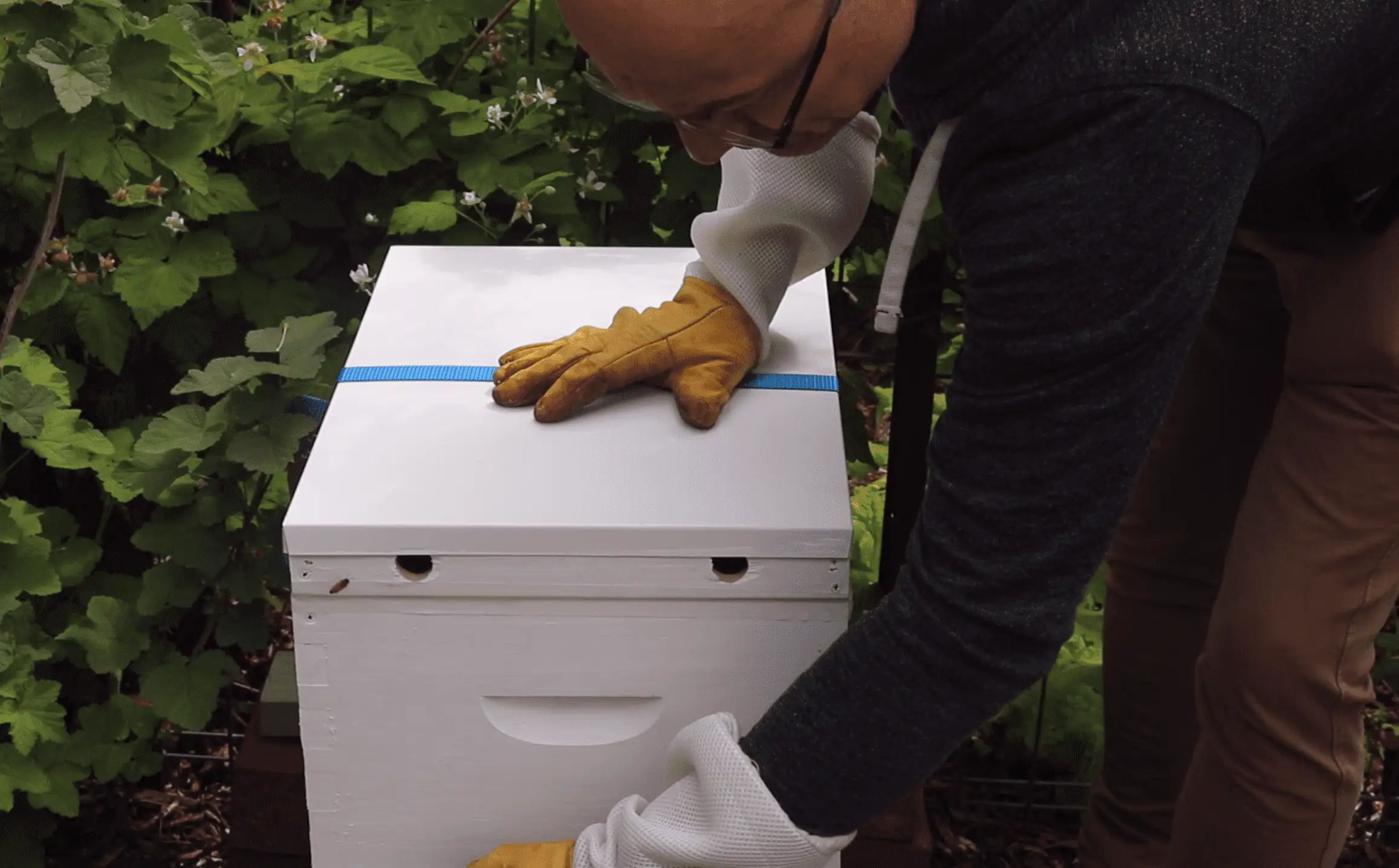
What arrives
Inside a Melbourne Beehives nucleus colony
Every colony is checked before it leaves. You get the components of a working colony, not a starter kit that still needs to be assembled.
A laying queen
A young mated Italian or Carniolan queen, already laying eggs. Ask about the queen options available for your timing.
Brood in all stages
Eggs, larvae and capped brood show the colony is actively raising new bees and the queen is doing her job.
Drawn comb
The frames are built out and ready for the queen to use. You are not starting with bare foundation.
Honey & pollen
Stored food helps the colony settle in and feed young bees while foragers find their feet.
Worker bees
Nurses, house bees and foragers at different stages of life — a colony with a normal age structure.
Eight Langstroth frames
The standard format for a Langstroth brood box, ready to transfer in the same order they arrive.
We do not claim colonies are Varroa-free or disease-free. Ask about current health status and biosecurity before you reserve. Read the Melbourne bee biosecurity guide.
Timing
When to reserve a nucleus colony in Melbourne
Spring and early summer are the usual times for nucleus colonies in Melbourne. The season is driven by the weather, the queen’s laying rate and how quickly colonies build up — not by a fixed calendar date.
That is why availability changes through the season. If you want a colony for a particular month, call early and tell us what you are planning. We will tell you what is realistic rather than take a booking we cannot fill.
Do not wait until the hive is empty and the bees are gone. The best time to reserve is before you need the colony, especially if you want a specific queen type or a delivery date.
What affects availability
- Rainfall and nectar flow in the months before pickup
- How quickly colonies build to eight frames
- Queen mating and laying success
- Demand from other Melbourne beekeepers
- Your preferred pickup or delivery window
Before the bees arrive
Set up the hive first
A nucleus colony is a living thing. It needs a prepared home, not a box on the lawn while you work out the rest.
- Register as a beekeeper in Victoria before you keep a hive.
- Use a hive with individually removable frames.
- Choose a level site with morning sun and afternoon shade.
- Provide water nearby before the colony arrives.
- Keep a clear flight path away from doors and walkways.
- Have a stand, hive tool, smoker and protective gear ready.
- Talk to neighbours and check your council’s apiary rules.
Need help with the setup? We can talk through your site, hive and first inspection before you collect.

Installation
Installing your nucleus colony
The transfer is simple when the hive is ready. Work calmly, keep the frames in order and do not leave the colony open longer than necessary.
Prepare the brood box
Set up an eight-frame Langstroth brood box in its final position. Check it is level and the entrance is open.
Place the nuc nearby
Put the nucleus box beside the hive. Keep it closed until you are ready to transfer the frames.
Check the frames
Open the box, confirm the queen is present and note the order of the frames before you move anything.
Transfer in order
Move the frames into the brood box in the same order. Keep the brood nest together.
Close and settle
Replace the lid, reduce the entrance if needed and leave the colony to settle.
Check in 5–7 days
Look for the queen, fresh eggs and a normal brood pattern. Call us if something looks wrong.
The first week
What to look for after installation
Leave the colony alone for the first few days. Then open the hive briefly and check the basics:
- Is the queen present, or is there fresh evidence she is laying?
- Are there eggs and young larvae on the brood frames?
- Is the brood pattern reasonable, without large pepper-pot gaps?
- Are the bees bringing in pollen and water?
- Are stores adequate, or is the colony light?
- Is the entrance manageable for the size of the colony?
Do not feed honey from an unknown source. If feeding is needed, use white sugar syrup and follow current advice. Keep notes on what you see so you can compare the next inspection.
Health & biosecurity
Ask before you reserve
Varroa mite is established in Victoria. AFB and other notifiable diseases are also part of beekeeping here. A responsible seller should be able to tell you what they monitor and what they do not claim.
We inspect our colonies and can discuss current health status and biosecurity practices. We do not claim that bees are Varroa-free or disease-free. If you already have hives, tell us what is in your apiary so we can talk through quarantine and movement considerations.
If you suspect Varroa or AFB, report it. Agriculture Victoria’s Bee Biosecurity Officers can be reached on 136 186, and the Emergency Plant Pest Hotline is 1800 084 881. More detail is in our biosecurity guide.
Price & delivery
What does a nucleus colony cost?
Pricing depends on the season, colony size, queen type and availability. We do not publish a live price because the answer changes through the season and we do not want to advertise a colony we cannot supply.
Call 0430 370 440 and tell us:
- Your suburb and hive type
- When you want to start
- Whether you want pickup or delivery
- Whether you need installation help or mentoring
We will confirm current price, what is included and the next available date before you reserve.
Pickup and delivery
Pickup is available in Melbourne. Delivery across Melbourne and regional Victoria can be discussed before you reserve.
We can also talk through installation, first inspection and onsite mentoring. If you want a recorded walk-through, ask about the optional confidence video session.
Common questions
Nucleus colony FAQs
What is a nucleus colony?
A nucleus colony is a small, established colony on frames — in our case, eight Langstroth frames. It includes a young mated queen, brood, drawn comb, stored food and worker bees. It is designed to be transferred into a full-size brood box.
Is a nucleus colony better than a bee package?
For most new beekeepers, yes. A package is loose bees with a caged queen and no comb or brood. A nucleus colony is already a working colony, so there is less to go wrong in the first weeks. If you specifically want package bees, read our bee packages page.
How many frames are in a Melbourne Beehives nuc?
Eight Langstroth frames. The colony is ready to transfer into an eight-frame brood box, keeping the frames in the same order.
Do you sell queen bees separately?
Every nucleus colony includes a young mated Italian or Carniolan queen. We do not sell bare queens as a separate product; call to discuss what is currently available for an existing hive.
When are nucleus colonies available?
Spring and early summer are the usual times. Availability depends on the season, queen success and demand. Call early to check what is realistic for your preferred date.
Do you deliver nucleus colonies?
Pickup is available in Melbourne. Delivery across Melbourne and regional Victoria can be discussed before you reserve; we confirm the details first.
What do I need before pickup?
A registered apiary, a hive with removable frames, a level site, water, a stand and basic tools. If you are not registered yet, start that process before the colony arrives.
Can you install the colony for me?
We can talk you through installation and the first inspection. Onsite delivery, installation, mentoring and inspection can be discussed when you reserve.
What about Varroa and AFB?
Ask about current health status and biosecurity practices before you reserve. We do not claim colonies are Varroa-free or disease-free. Suspected Varroa or AFB should be reported to Agriculture Victoria.
How much does a nucleus colony cost in Melbourne?
Price depends on the season, colony size, queen type and availability. Call 0430 370 440 for current pricing and dates.
Ready to reserve a nucleus colony?
Tell us your suburb, hive type and preferred timing. We will confirm current availability, price and pickup or delivery.