


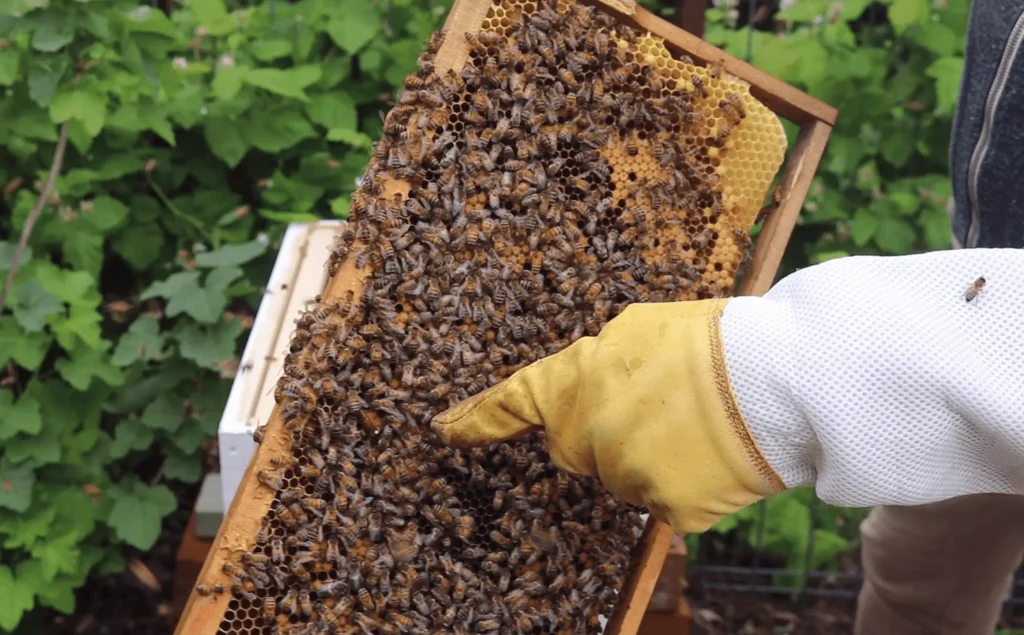
Honey Bee Biosecurity
Honey bee biosecurity involves targeted measures to keep pests from entering hives and spreading.
This guide is designed for the prevention of harmful pests from affecting your colonies and to safeguard the nectar your bees collect.
Biosecurity Basics
Six easy ways to protect honeybees
- Keep up with biosecurity threats locally.
- Use pest-free bee stock and care for your apiary equipment.
- Follow organic practices and keep your surroundings tidy.
- Conduct regular surveillance of your hives and quarantine any affected areas to spot and address changes quickly.
- Abide by all legal requirements.
- Report irregularities by calling the Exotic Plant Pest Hotline on 180 084 881.
Every beekeeper—whether you manage commercial hives, keep bees in your backyard, or are just starting—has a role in protecting these insects.
Your daily practices and vigilance support the health of bee populations and contribute to sustainable beekeeping across Australia.
Want to Read More About the Australian Honey Bee Industry Biosecurity?
The Code of Practice is produced with input from beekeepers and government agencies. It offers clear instructions for adopting best practices in Australia.
Learn more about Pests and Diseases on our page or watch videos on:
Access detailed documents on biosecurity at beeaware.org.au:
Why Quality Matters in Honey Selection
Choosing honey of high quality benefits your health and culinary creations.
Premium honey is usually raw and unprocessed, keeping its nutrients, antioxidants, and natural enzymes intact to support your well-being.
Quality honey also backs sustainable beekeeping practices, which protect bees as they pollinate plants.
Look for clear labels indicating purity and origin, and avoid products with additives or artificial sweeteners.
Whether drizzled on yogurt, stirred into a warm cup of tea, or used in baking, quality honey brings both flavor and nutritional benefits to your meals.
It also supports beekeepers who take care of their colonies with responsibility and care.
Understanding Biosecurity
Biosecurity means using measures to stop harmful organisms from entering and spreading in your environment.
This includes regular checks on plants and animals to catch early signs of disease.
Cleaning and disinfecting tools, equipment, and footwear is essential to prevent moving pathogens between different areas.
Control what comes into your space by limiting the movement of people, pets, and vehicles.
Be cautious with new plants and animals, ensuring they come from trusted sources and are free of diseases or pests, and consider quarantine measures when introducing them to your environment.
Sharing knowledge with neighbors and community groups helps build a network of preparedness that benefits the local ecosystem.
Importance of Biosecurity in Backyards
Biosecurity in backyards protects your immediate space and helps maintain a healthy surrounding environment.
Regularly inspecting plants and animals, along with surveillance techniques, allows you to detect signs of disease or infestations quickly.
Careful control of who and what enters your yard, along with strict hygiene protocols, reduces the risk of contamination.
By educating household members and community networks, you build a cooperative approach to safeguard local biodiversity.
Your attention to these practices supports healthy plant growth and animal well-being while contributing to a balanced local ecosystem.
Identifying Potential Risks
Regularly checking your backyard can support prevention of minor issues from becoming major problems.
Assess the health of your plants and animals by looking for discoloration, wilting, or unusual behavior.
Verify that any new plants or animals come from reputable sources to avoid introducing pests or diseases.
Keep an eye on the movement of soil, water, and organic material, which can transport pathogens.
Ask visitors to clean their footwear and tools before entering your area to reduce the spread of contaminants.
Early risk detection allows you to take corrective measures immediately and maintain a safe environment.
Safe Handling of Feed and Water
Manage feed and water with care to support your backyard animals and prevent disease.
Purchase feed from reliable suppliers and store it in sealed, cool, and dry areas to avoid spoilage or pest contamination.
Inspect feed for unusual smells or mold before use.
Provide animals with clean water by regularly cleaning containers and changing the water frequently, especially during warm weather.
Keep feeding areas tidy and organized while conducting surveillance on supplies for any signs of contamination, and consider quarantine measures for new animals to prevent disease spread.
Understanding the dietary needs of your animals and adjusting their feed accordingly can improve their health and resilience against diseases.
Using Protective Gear
Wearing protective gear is essential when performing tasks that could spread pests, diseases, or contaminants.
Equip yourself with gloves, masks, goggles, and protective clothing that suit the work you are doing.
Regularly check that your gear is clean and in good condition.
After tasks that involve chemicals or potentially contaminated materials, clean and disinfect your gear to prevent cross-contamination.
Follow safety protocols closely and share your knowledge with anyone who works in your backyard.
Routine use of proper protective equipment not only aids in prevention by keeping you safe but also contributes to maintaining a clean and secure environment.
Keeping Up with Biosecurity Updates
Staying current with biosecurity news and guidelines helps you adapt your practices as new threats arise.
Sign up for newsletters and alerts from agricultural and environmental organizations.
Participate in local groups, attend workshops, and join webinars to exchange information with peers.
Visit government and industry websites regularly to review changes in regulations and guidelines.
Keeping informed ensures that your practices remain effective and compliant with current standards, thereby protecting your space and supporting community health.
Active research and community engagement make a lasting contribution to the safety and well-being of your backyard.
Back to the homepage